
Joshua Tree: High Drama, Low Wi-Fi

Updated: Jul 29
Joshua Tree is one of those places that feels completely disconnected from reality.
Just two hours east of Los Angeles, the landscape transforms into a surreal world of twisted Joshua trees, enormous granite boulders, and endless desert skies. There's something undeniably captivating about this corner of the Mojave Desert. The silence is almost theatrical, the sunsets seem professionally edited, and every winding road reveals another impossibly photogenic rock formation. It's rugged, beautifully strange, and just remote enough to make you forget your phone hasn't had a signal in hours.
Joshua Tree isn't a park you conquer; it's one you slowly absorb. And while it certainly rewards adventurous hikers, it's equally perfect for travelers who simply want spectacular scenery without spending the entire day climbing mountains. Just don't forget the sunscreen. The desert is stunning, but the sun is running a completely different operation.
Big Rocks. Tiny Effort. Maximum Reward.
One of my favorite things about Joshua Tree is that it doesn't demand athletic achievement in exchange for spectacular scenery. You don't need to wake up before sunrise, carry trekking poles, or pretend you enjoy steep inclines. Most of the park's most iconic landmarks are surprisingly accessible, requiring only short walks from the parking area.
As you drive through the park, you'll pass giant boulder fields, forests of Joshua trees, quirky rock formations, and panoramic viewpoints that somehow convince you to take fifty nearly identical photos. And honestly? Every single one feels justified. These are the stops I never skip:
Hidden Valley: The perfect introduction to Joshua Tree. Giant boulders, classic desert scenery, and one of the park's easiest loops combine to create a trail that somehow makes everyone feel just a little more outdoorsy than they actually are.
Skull Rock: Proof that Mother Nature occasionally develops a very dark sense of humor. It's one of Joshua Tree's easiest and most recognizable landmarks, making it an essential photo stop.
Arch Rock & Heart Rock: Two of the park's most photogenic natural formations. Arch Rock has been stealing the spotlight for years, while nearby Heart Rock has quietly become Joshua Tree's newest social media darling.
Cholla Cactus Garden: From a distance, it looks like a glowing field of soft, golden fur. Up close, it's a collection of tiny botanical weapons with absolutely no interest in making friends.
Barker Dam: A gentle walk through desert history, fascinating rock formations, and, if you're lucky, a surprisingly reflective pool of water that feels almost out of place in the middle of the Mojave.
Mexican Hat: A wonderfully ridiculous balancing rock that somehow manages to look exactly like its name. It's a quick roadside stop that's well worth the few extra minutes.
Keys View: Perhaps the greatest return on investment anywhere in the park. Walk a few steps from your car and enjoy sweeping views across the Coachella Valley and the San Andreas Fault.
The best part? You can comfortably experience most of Joshua Tree's highlights in a single day without ending the trip in desperate need of a massage. Bring plenty of water, plenty of sunscreen, and perhaps avoid attempting any of this in the middle of July.
The Best Easy Hikes in Joshua Tree (From Someone Who Avoids Hiking as a Personality Trait)
Let me be clear: if I did these hikes and lived to tell the tale, you’ll be absolutely fine.
These are the Joshua Tree walks/trails that are actually worth doing; high reward, low suffering. Exactly how nature should be experienced.
Hidden Valley Nature Trail
If you're only doing one trail in Joshua Tree, make it Hidden Valley.
It's the park's signature walk for good reason. The easy loop winds between enormous granite boulders, iconic Joshua trees, and a peaceful valley that feels surprisingly secluded. It's scenic, approachable, and delivers everything people imagine when they picture Joshua Tree.
It’s short and gives you that satisfying feeling of “i just connected with nature” without actually having to work very hard for it. My favorite kind of achievement.
📸 Why it's worth it: The perfect introduction to the park ⚡ Fatigue Level: Extremely civilized.

Skull Rock
Skull Rock is less of a hike and more of a very rewarding short wander.
The rock really does look like a skull, which is both cool and mildly unsettling, and the surrounding area is full of giant boulders and desert scenery that make it worth stopping. This is one of those places where you can get great photos, explore a little, and still conserve enough energy for lunch later. Which is important.
Expect a lot of people though, this is a very touristy spot in the park.
📸 Why it's worth it: One of Joshua Tree's easiest and most iconic photo stops ⚡ Fatigue Level: Barely enough walking to justify calling it a trail.
Arch Rock & Heart Rock
Joshua Tree has a softer side. Arch Rock is one of the park’s most photogenic natural formations, and nearby Heart Rock has recently become the new Instagram sensation.
The walk to Arch Rock is short and easy, especially if you’re just there for the views and a few dramatically posed photos.
Heart Rock takes a little more effort and may require some light scrambling or very committed wandering depending on how you approach it but nothing too serious if you wear decent shoes.
Both are easy enough to reach and almost impossible to leave without taking at least a dozen photos
📸 Why it’s worth it: Cute, trendy, photogenic, and honestly kind of fun. ⚡️ Fatigue level: Mildly inconvenient but manageable.


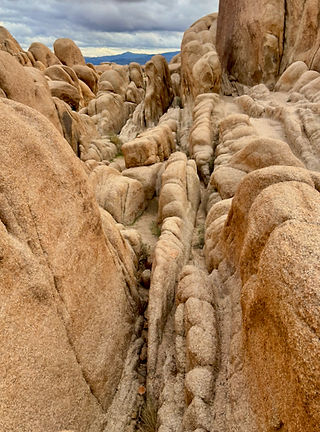
Cholla Garden
The Cholla Cactus Garden is one of the prettiest and weirdest spots in the park. It’s basically a field of fuzzy-looking cacti. They look wonderfully soft from a distance and deeply offended by your existence up closeand absolutely vindictive up close. Do not trust them.
The path here is very short and flat, making it ideal for people who want the full desert fantasy without any real hiking commitment. Sunrise and sunset are especially gorgeous.
📸 Why it’s worth it: Short walk, amazing photos, deeply iconic desert stop. ⚡️ Fatigue level: Easy unless you get too close to the plants and start making poor choices.


Mexican Hat
Mexican Hat is one of those quick Joshua Tree stops where you pull over, walk a little, and say, “Okay yes, that rock does in fact look like a hat.” And honestly? That’s enough.
It’s not a major hike, but it’s a fun little detour if you’re exploring the park and want to see one more weird desert rock formation before your body starts asking difficult questions.
📸 Why it’s worth it: Quick stop, low commitment. ⚡️ Fatigue level: Barely a hike.
Barker Dam
Barker Dam is one of the easiest “real trail” experiences in Joshua Tree. It’s a fairly short loop with a little bit of everything: rock formations, Joshua Trees, old ranch history, and if you’re lucky, even a little water at the dam which feels deeply suspicious in the middle of the desert.
It’s scenic, interesting, and just long enough to make you feel outdoorsy without crossing into “I need electrolytes" without drifting into full expedition mode.
📸 Why it’s worth it: A little more variety, easy walking, nice scenery. ⚡️ Fatigue level: Easy-ish.


Cottonwood Spring
If you want to escape some of the busier photo-hungry crowds, Cottonwood Spring is a really lovely stop in the southern part of the park. It feels a little different from the more famous Joshua Tree areas; more peaceful, more subtle, and a bit more “desert oasis” than “rock climbing convention.”
This is a good option if you want a short, easy nature walk and a little variety beyond the boulder-heavy classics. It's Joshua Tree at its quietest and that's saying something.
📸 Why it’s worth it: Quiet and a nice change of pace. ⚡️ Fatigue level: Extremely reasonable.


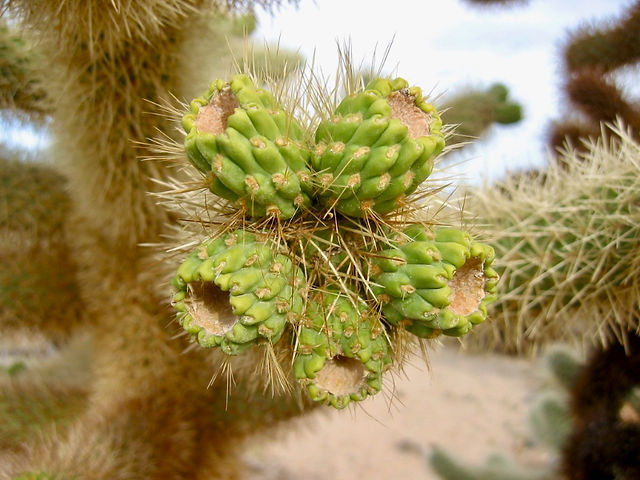
Keys View
Keys View is for the people who want spectacular panoramic views without taking even one unnecessary step, and I deeply respect that. From here, you get sweeping views over the Coachella Valley, the San Andreas Fault, and on a clear day, even farther into the desert beyond.
It's one of the few places where you can feel genuinely moved after walking fewer than thirty steps. That's my kind of viewpoint.
📸 Why it’s worth it: Gorgeous views, almost no effort, ideal for the hiking-averse. ⚡️ Fatigue level: This is my preferred relationship with nature.


Survival Guide Before You Go
Joshua Tree may look calm and peaceful, but don't let the scenery fool you. This is still the desert, and the desert has very little patience for poor planning.
Visit during fall, winter, or spring whenever possible, carry far more water than you think you'll need, wear sunscreen, and never underestimate how quickly temperatures can climb.
The views are unforgettable. Heatstroke shouldn't be.
One Last Stop Before You Head Home: Joshua Tree Town
If you leave the park through the North entrance and somehow still have a pulse and a little curiosity, make a stop in Joshua Tree Town. Because the national park may give you the dramatic desert beauty, but the town gives you something equally important: weird art, mild confusion, and excellent photo opportunities. You’ll find all kinds of gloriously random stops, including:
The World Famous Crochet Museum: a tiny, lime-green shrine to crocheted chaos that somehow became one of the area’s most iconic attractions. It’s weird, delightful, and exactly the kind of thing that makes you say, “Who made this… and why do I love it?”
The Alien Robot Museum: because apparently giant boulders and mystical desert silence were not enough, so now we also have alien energy in the mix. Very Joshua Tree.
The Station + Big Josh: yes, the giant cowboy statue’s name is Big Josh, and yes, he is standing outside like the proud plastic sheriff of desert kitsch. A deeply unserious and absolutely necessary stop.
Beauty Bubble Salon and Museum: because of course Joshua Tree also has a hair salon museum. This retro little oddity is packed with vintage beauty treasures.
Random artsy desert weirdness: and then there’s the rest of Joshua Tree town, where you’ll casually stumble across giant sculptures, strange art pieces, mysterious installations, and enough offbeat energy to make you wonder if everyone here is either a genius or slightly dehydrated. Possibly both.
Trip Debrief
👍🏼 Worth The Detour
Let's be honest; I didn't come to Joshua Tree for spiritual enlightenment or to discover my inner outdoorsman. I came for the twisted Joshua trees, giant balancing boulders, and that wonderfully alien desert landscape that somehow looks even better in person than it does on Instagram. Every stop felt like a ready-made photo set, and I may or may not have climbed onto a few rocks in pursuit of the perfect angle.
⏱️ Time To Do It Right
One full day is good. It's enough time to drive through the park, stop at the iconic viewpoints, tackle a handful of easy trails, and still leave feeling like you've experienced the best of Joshua Tree. If you're into photography, sunrise, sunset, or simply taking your time, consider staying overnight nearby. The desert has a way of changing personalities throughout the day, and it's worth seeing more than once.
🪫 How Tired Was I, Really?
One of the best things about Joshua Tree is that many of its biggest highlights require very little effort. Most walks are short, the viewpoints are easy to reach, and you can see an incredible amount without committing to an all-day hike. The only real challenge? The desert itself. Visit in summer and you'll spend more energy surviving the heat than exploring the park. Come in fall, winter, or spring instead, and Joshua Tree becomes one of the most enjoyable and least exhausting national parks to explore.


